Unlock the Power of Relaxation: Discover the Benefits of Massage at Your Local Thai Spa
Exploring the positive aspects of massage at a nearby Thai spa demonstrates a distinctive approach to relaxation and wellness. Thai massage delivers a mix of acupressure and stretching techniques designed to ease tension and improve flexibility. Many experience that the soothing environment improves the overall experience, fostering emotional well-being. As one explores the different aspects of this ancient practice, questions emerge about its cultural roots and the unique techniques that make it beneficial.
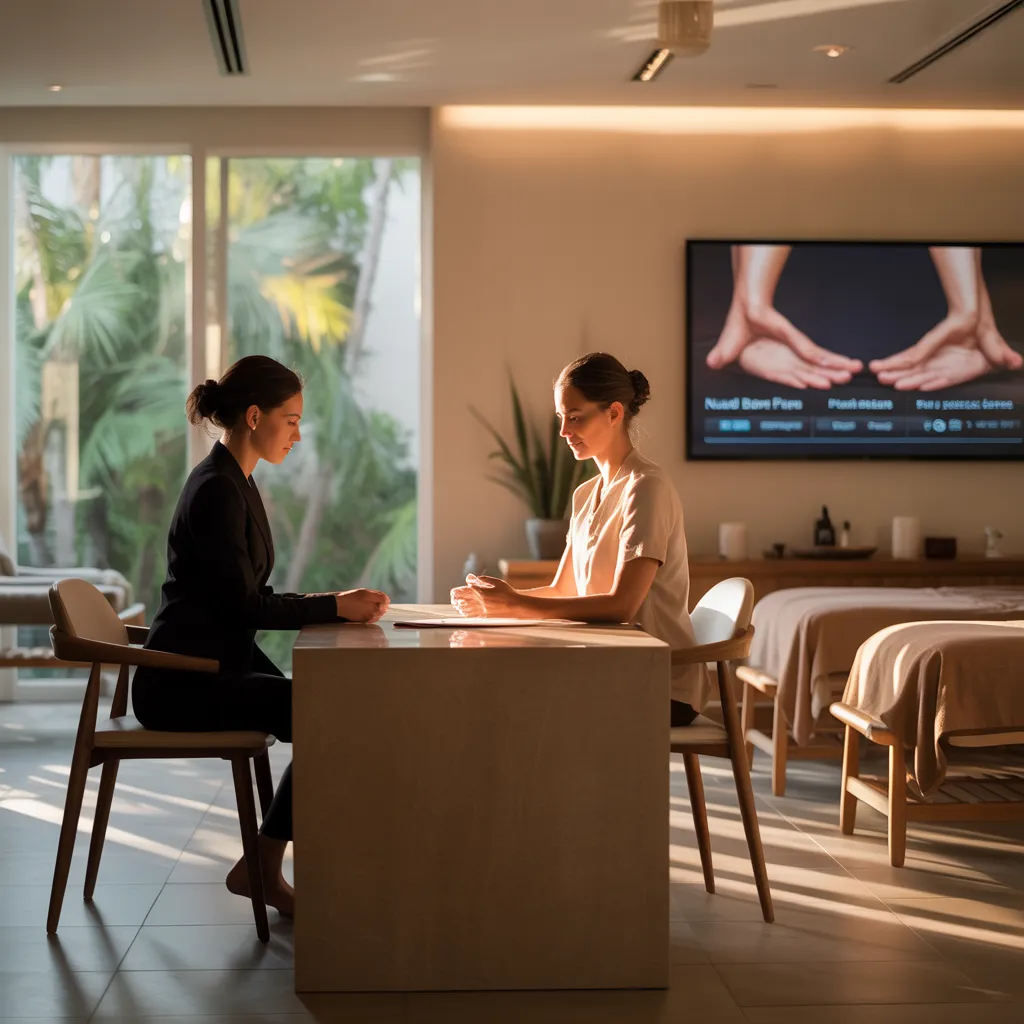
The History and Origins of Thai Massage
While the specific origins of Thai massage are partially obscured by history, it is commonly believed to have evolved over 2,500 years ago, influenced by ancient Indian and Chinese practices. The technique is based in the teachings of Siddhartha Gautama, recognized as the Buddha, and is commonly connected with the traditional medicine of Thailand. Early practitioners integrated yoga postures, acupressure, and energy line theories, forming a comprehensive approach to wellness.
Throughout its evolution, it became a staple in Thai culture, often performed in temples and used to encourage bodily and spiritual harmony. In the 19th century, King Rama III created a systematic system of Thai massage, which helped preserving its methods and principles. Nowadays, Thai massage is known globally, providing a unique fusion of therapeutic touch and mindfulness that persistently draws individuals seeking harmony and tranquility. Its continuing legacy demonstrates a rich cultural heritage.
The Advantages of Thai Massage for Stress Management
As people look for effective ways to reduce stress, Thai massage proves to be a powerful tool for stress relief and cognitive clarity. access resource This ancient practice blends acupressure, stretching, and rhythmic compression, promoting a deep sense of tranquility. By addressing specific pressure points, Thai massage energizes the body's energy pathways, which can decrease tension and anxiety.
In addition, the remarkable combination of gentle stretching and mindful breathing improves relaxation, enabling clients to disconnect from daily stressors. The atmosphere of a Thai spa, often enriched with calming scents and soothing sounds, further enhances the therapeutic experience, creating an oasis of peace.
Scientific evidence shows that frequent Thai massage can produce a significant decrease in cortisol levels, the hormone linked to stress. Consequently, individuals may become better equipped to handle daily challenges, promoting both emotional resilience and improved overall well-being. Thus, Thai massage serves as a holistic approach to achieving stress management and mental clarity.
Enhancing Suppleness and Physical Function Via Thai Techniques
Thai massage utilizes time-honored stretching techniques that substantially increase flexibility and mobility. These techniques can result in an increased range of motion and improved posture, supporting overall physical performance. As practitioners engage in these movements, they often experience a remarkable transformation in their body's capabilities.
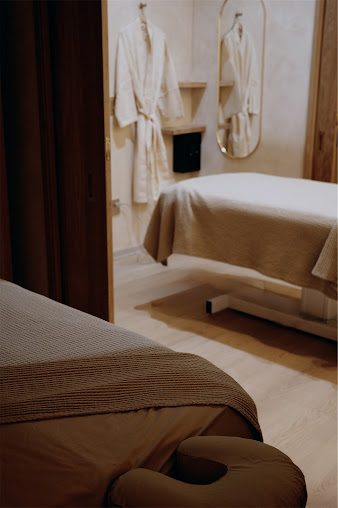
Time-Honored Thai Stretching Methods
Frequently neglected, traditional Thai stretching methods present notable benefits for increasing flexibility and mobility. These practices, rooted in ancient practices, incorporate a blend of gentle stretches and rhythmic movements, facilitating a deeper release of tension in the muscles. Practitioners leverage their body weight to apply pressure, creating a dynamic form of stretching that targets multiple muscle groups simultaneously. The methods focus on breath control, enabling individuals to connect with their bodies and deepen their stretches. By including these techniques into regular wellness routines, individuals can enjoy increased posture, improved circulation, and superior overall physical performance. The holistic approach of traditional Thai stretching not only aids in physical flexibility but also fosters mental relaxation, making it a valuable aspect of an all-encompassing wellness experience.
Improved Range of Motion
While many individuals seek to improve their physical capabilities, the methods employed in traditional Thai massage can greatly enhance flexibility and mobility. The integration of rhythmic stretching and gentle pressure provides a unique approach to improving the range of motion in the body. This ancient practice concentrates on specific muscle groups, allowing them to relax and lengthen. As a result, tension is dissipated, encouraging greater ease of movement. Clients often experience better joint function, which is vital for overall physical performance. The dynamic stretches utilized during a session not only work on tight areas but also stimulate circulation, enabling the delivery of essential nutrients to the muscles. As a result, regular sessions can contribute considerably to enhanced flexibility and mobility over time.
Improved Posture Benefits
Better posture is a key benefit of traditional massage techniques, as they effectively address muscle imbalances and tension that contribute to misalignment. Thai massage, in particular, employs stretching and rhythmic pressure to release tight muscles, enhancing overall flexibility and mobility. This method targets specific muscle groups, promoting better alignment of the spine and pelvis. As muscles relax and lengthen, individuals often experience a greater awareness of their body, leading to conscious adjustments in posture. Furthermore, by alleviating discomfort caused by poor posture, Thai massage encourages habitual alignment, fostering long-term improvements. Regular sessions not only boost physical well-being but also cultivate a sense of balance, allowing individuals to engage in daily activities with increased confidence and ease.
Easing Muscle Tightness and Pain
Thai spa massage treatments successfully relieve muscle tension and pain, employing techniques that blend stretching and deep pressure. These approaches target specific muscle groups, promoting relaxation while improving flexibility. The experienced practitioners deliver measured pressure throughout the body's energy lines, referred to as "Sen," stimulating blood circulation and minimizing discomfort. This technique not only eases physical pain but also addresses root causes associated with muscle tightness.
In addition, the incorporation of stretching works to elongate the muscles, enhancing overall mobility. Clients often report notable relief from chronic pain conditions, for example lower back pain and tension headaches. Regular sessions at a Thai spa can result in lasting improvements in muscle function and overall vitality.
Understanding the Role of Breath and Mindfulness in Thai Massage
In Thai massage, breath awareness techniques play an essential role in enhancing the overall experience. Practitioners often integrate mindful movement, aligning breath with each stretch and pressure point. This alignment develops an enhanced connection between body and mind, supporting relaxation and healing processes.
Breath Awareness Techniques
How does breath awareness enhance the experience of Thai massage? Breath awareness techniques serve as a foundational element in the practice of Thai massage, fostering relaxation and enabling a deeper connection between body and mind. By centering attention on the natural rhythm of breathing, clients can cultivate a state of mindfulness that elevates their overall experience. This awareness enables individuals to release tension and become more open to the therapist's movements. Furthermore, synchronized breathing between the therapist and client fosters a harmonious environment, enabling a more effective flow of energy. As clients engage in breath awareness, they may experience a profound sense of calm and enhanced sensitivity to the therapeutic touch, ultimately deepening the benefits of the massage session.
Mindful Movement Integration
When practicing Thai massage, the integration of mindful movement and breath greatly enhances the therapeutic experience. Practitioners emphasize the connection between breath and physical motion, encouraging clients to synchronize their breathing patterns with each stretch and pressure point. This mindful approach not only cultivates relaxation but also aids in freeing stored tension in the body. As the therapist moves fluidly, clients are guided to remain present, developing a deeper awareness of their own bodily sensations. This elevated mindfulness can result in a greater sense of balance and peace, allowing individuals to cultivate a profound connection with their bodies. Finally, the synergy of movement and breath in Thai massage operates to amplify relaxation and facilitate holistic healing.
Spa Ambiance: Establishing a Sanctuary for Tranquility
Tranquility defines the essence of a Thai spa, where all aspects are thoughtfully arranged to foster a peaceful atmosphere. Subdued lights, relaxing tones, and nature-inspired materials create a backdrop that encourages calmness. The gentle sound of cascading water or quiet harmonious music enhances the ambiance, inviting visitors to relax. Aromatherapy, with the use of essential oils, fills the air with relaxing aromas like lavender and jasmine, further elevating the session.
Cozy furnishings make certain that clients feel relaxed from the instant they walk in. Individual treatment rooms provide a sense of intimacy, permitting guests to separate themselves from the outside world. The presence of trained therapists adds to this sanctuary, as their practiced hands direct clients into deeper states of relaxation. Collectively, these elements create a complete atmosphere that nurtures both body and mind, offering a peaceful retreat from the pressures of daily life.
Locating the Right Thai Spa Journey for You
Picking the right Thai spa experience can substantially enhance the overall journey toward relaxation. Individuals should consider their specific needs when selecting a spa. Some may seek traditional Thai massage for its deep tissue benefits, while others might prefer aromatherapy to soothe the senses. Investigating local options is essential; reviews and recommendations can provide insights into the quality of service and ambiance.
Additionally, possible clients should assess the spa's tidiness, professionalism, and the qualifications of the therapists. A inviting atmosphere, accompanied by relaxing music and calming scents, can significantly enhance the overall experience.
It is also beneficial to ask about the diverse forms of treatments offered, as numerous spas provide special packages that blend diverse modalities. Ultimately, locating a Thai spa that matches individual preferences and expectations can lead to a more satisfying and healing experience, seeing to it that relaxation is genuinely achieved.
Questions & Answers
What Should I Wear During a Thai Massage Session?
For a Thai massage appointment, it is recommended to wear loose, comfortable clothing that allows for freedom of movement. Several spas furnish traditional attire, making certain clients can fully relax with complete ease during the treatment.
What's the Average Length of a Thai Massage Session?
A typical Thai massage runs between 60 to 120 minutes. The timeframe often depends on the individual treatment preferred and client preferences, ensuring a comprehensive experience tailored to the client's needs and relaxation objectives.
Does Thai Massage Have Any Contraindications?
Contraindications for Thai massage consist of pregnancy, particular medical conditions such as osteoporosis or fractures, recent surgeries, and skin infections. People with cardiovascular issues or those taking blood-thinning medications should consult a healthcare professional before receiving this treatment.
Can I Receive a Thai Massage When Pregnant?
Getting a Thai massage while pregnancy is typically not recommended, especially during the first trimester. Seeking advice from a healthcare provider is crucial to guarantee safety and to explore appropriate options for relaxation and relief throughout pregnancy.
How Do I Locate a Professional Thai Massage Therapist?
To discover a qualified Thai massage therapist, it's advisable to examine local spas, examine reviews, verify credentials, and obtain recommendations from friends or healthcare professionals to guarantee a safe and effective experience tailored to individual needs.